

August 27, 2026
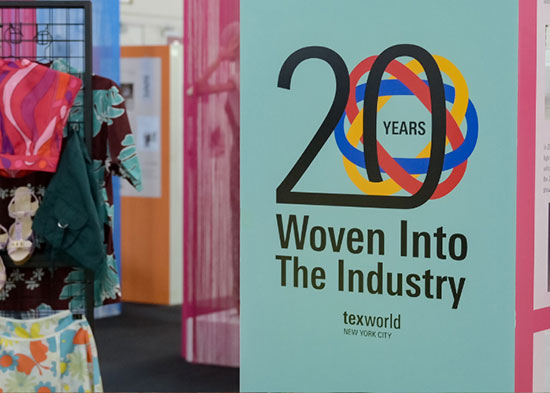
It was a big moment for Texworld at the shows this summer, when thousands of show-goers helped mark the event’s milestone 20th anniversary in July.
While archival show imagery and trends over the decades reminded attendees of where the industry has been, there was a real focus on where it’s headed.
“The way we source, create, connect, and do business has changed dramatically over the past two decades, and this community has changed with it,” said Jennifer Bacon, Vice President, Fashion and Apparel Shows, Messe Frankfurt, Inc. “For three days, we were able to celebrate where we’ve been while watching new ideas, partnerships, and possibilities for the next generation of the industry take shape right in front of us.”
Apparel and textiles have faced a world of change in recent decades, with tariffs delivering a new level of turmoil, sustainability and new requirements around it changing the fabric of the industry, and AI offering a tech advancement that’s already changing the way of doing business.
On the show floor in New York City, more than 430 exhibitors from over 15 countries shared innovations and thoughts surrounding what comes next for apparel and supply chains.
Conversations during the Textile Talks education series reflected an industry moving from big-picture ambitions to the practical work of adjusting how fashion gets made. Sustainability discussions focused on turning commitments into measurable sourcing strategies, strengthening the supply chain from farm to finished product and navigating an increasingly complex regulatory landscape. At the same time, AI was prompting new questions about everything from the creative process to the future fashion value chain, while next-generation materials and innovation hubs pointed to new possibility upstream. Alongside these forward-looking conversations, SS27 color, trend and inspiration forecasts offered a glimpse at what’s ahead creatively.
At the Los Angeles show, more than 120 exhibitors from over 10 countries were treated to a show that reflected the growing crossover between fashion, interiors and lifestyle, thanks in part to the debut of Home Textiles Sourcing Los Angeles and newly co-located Interfilière Los Angeles. Attendees had the opportunity to discover new textile innovations, new suppliers and new categories across global apparel, intimates, bath, bed, kitchen, windows and more.
"The conversations happening on our show floor are a reflection of where the industry is headed,” Bacon said. “Buyers aren't just looking for products — they're looking for partners, new ideas, and solutions that will help them navigate a rapidly changing marketplace. This edition delivered exactly that."

Save the Date for the Winter Show
Mark your calendars because Texworld New York City will be back at the Javits Center January 19-21. The co-located Texworld NYC, Apparel Sourcing NYC, and Printsource will mark the key kick-off for what will shape up in textiles throughout 2027, arming attendees with everything they need to know to start a successful new year.

What We’re Reading
With 100% Tariffs Looming, Indian Suppliers Lay Plans to Pivot Away from the US Market
Indian textile and apparel suppliers are reassessing their dependence on the U.S. market as the possibility of tariffs reaching 100 percent adds to already significant uncertainty around trade policy. According to a recent Sourcing Journal article, with the outlook for supplying to the U.S. increasingly difficult to predict, many Indian manufacturers are turning their attention to Europe, the U.K., the Middle East and India’s domestic market, while also confronting growing competition from China on speed and flexibility.
US Retail Sales Post First Decline in Nine Months in July
Consumer spending showed signs of softening in July, with overall retail sales declining after a modest gain in June. Apparel was a notable bright spot, however, as clothing store sales rose 1.9%, likely benefiting from the seasonal boost in back-to-school shopping, according to an article in Business of Fashion.
UK Retailers Warned of ‘Labour Rights Blind Spot’ in Supply Chains
UK retailers may be overlooking a critical area of supply-chain labor oversight as sourcing from high-risk countries continues to grow. According to a recent Just-Style article, an EcoVadis assessment of nearly 3,000 suppliers found that while most have written human-rights policies, more than half of those operating in high-risk countries lack a formal, safe way for workers to report abuses such as unpaid wages, harassment or forced labor. The findings come as the share of consumer goods sourced into the UK from high-risk countries has increased 22% over the past two years, potentially exposing more workers to heightened risks of exploitation.