

June 29, 2026
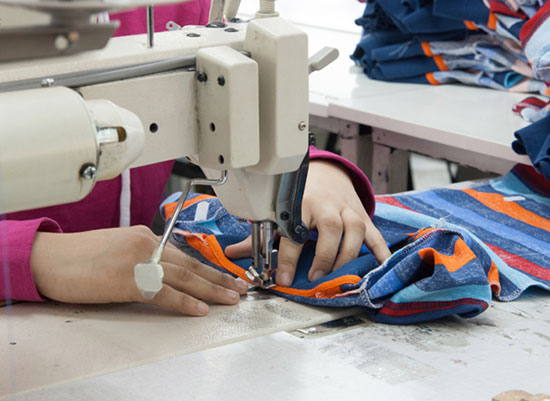
We’re just one month out from Texworld NYC July 29-31 and we’re ready to dig into all things apparel and textiles!
Of course, one thing that’s on the minds of all in the industry is what’s happening with global supply chains, and how things like tariffs and economics are shifting the sourcing map.
For years China has been moving away from its moniker as the “World’s Factory” both as the country looks to provide more for its own residents and as Western brands look to source closer to home or anywhere where tariffs and shipping costs are lower.
There may be a shift underway in China, according to a recent Sourcing Journal article, that’s seeing the country become an increasingly important destination for garments produced elsewhere in the region. A study by University of Delaware researcher Sheng Lu found that purchases of apparel by Chinese buyers have expanded dramatically over the past decade, with suppliers like Vietnam, Bangladesh and Cambodia seeing especially strong growth. Years of investment, industrial development and capacity-building have strengthened apparel sectors across Southeast and South Asia, which has allowed them to offer a broader range of products and compete more effectively on quality, scale and specialization.
Beijing's position within the fashion ecosystem is evolving, too. Rather than concentrating solely on large-scale garment production, many companies there are placing greater emphasis on higher-value activities like product creation, merchandising, procurement services and consumer-facing brand development. Even as its share of certain overseas markets declines, the country remains deeply embedded in regional manufacturing networks through its dominance in textile inputs and growing ownership of production facilities around the world. The result is a supply chain landscape in which China remains central, not only as a maker of goods, but as a buyer, coordinator and strategic hub.
We’re sure that will be part of the discussions on the show floor next month, as well as much, much more.

Your Summer Education
Your kids may be out of school, but your education will certainly be in session at the shows. We’ve got a full schedule of educational sessions to help equip you to navigate today’s reality.
Tune into the forces reshaping the textile and apparel industry — from product innovation and sourcing strategy to trade disruption and future consumer trends. Hear how brands are handling constant demand for fresh product in “The Quest for Newness: Products, Brands, and the Pressure to Evolve.” Get the guidance you need on ever-increasing tariffs and traceability requirements in “Tariffs & Transparency: Trade Policy Is Moving Faster Than Your Supply Chain.” And, of course, take an immersive tour through the concepts, materials and market influences expected to shape Fall/Winter 2027/28 trends with Peclers Paris.
See the full calendar of educational programming.

Who You’ll Meet at Our Innovation Hub
Need some inspiration? Head straight to Texworld’s Innovation Hub for cutting-edge ideas and the latest in transformative technologies and responsible sourcing solutions.
NextGen Coding Company a US-based software development and AI consulting firm specializing in custom software, automation, data platforms, and artificial intelligence solutions, will be part of the Hub, as will Savanah.ai, an AI-powered visual production platform for fashion and retail brands. Global textile house iLORM will be on hand with proprietary fabrics, Kobe will showcase its zero-waste 3D-printed footwear, and Rove Refinery Creative will be available to show attendees what successful branding looks like in today’s market.

What We’re Reading
US Apparel Imports Sing Again in April as Consumer Confidence Corrodes
Apparel imports into the US declined again in April, Just-Style wrote in a recent article, marking the fourth consecutive month of contraction. The downturn reflects growing consumer caution amid worsening economic conditions and continued uncertainty around spending.
Iran War Anxiety Sends Global Container Shipping Rates Soaring
Shipping costs from Asia to the US have surged since the outbreak of the Iran conflict, with container rates roughly doubling amid rising fuel prices and a rush by importers to move goods before costs climb further. According to HGI, analysts warn that the spike could add pressure to already elevated inflation, underscoring the broader economic impact of ongoing geopolitical tensions and uncertainty around global energy supplies.
America’s K-Shaped Market May Not Be What It Seems
For years, conventional wisdom has held that America is becoming a two-speed economy. But new analysis suggests the middle class may be more resilient than expected, a Business of Fashion article points out. The strength of brands like Coach and Zara points to a consumer base that, in many cases, has moved up the economic ladder — helping fuel spending even amid broader concerns about affordability and economic uncertainty.